Why Every 16-Year-Old
Needs a Cat 🐱

Science-backed reasons why owning a cat is one of the best things you can do for your health right now.

Discover Why
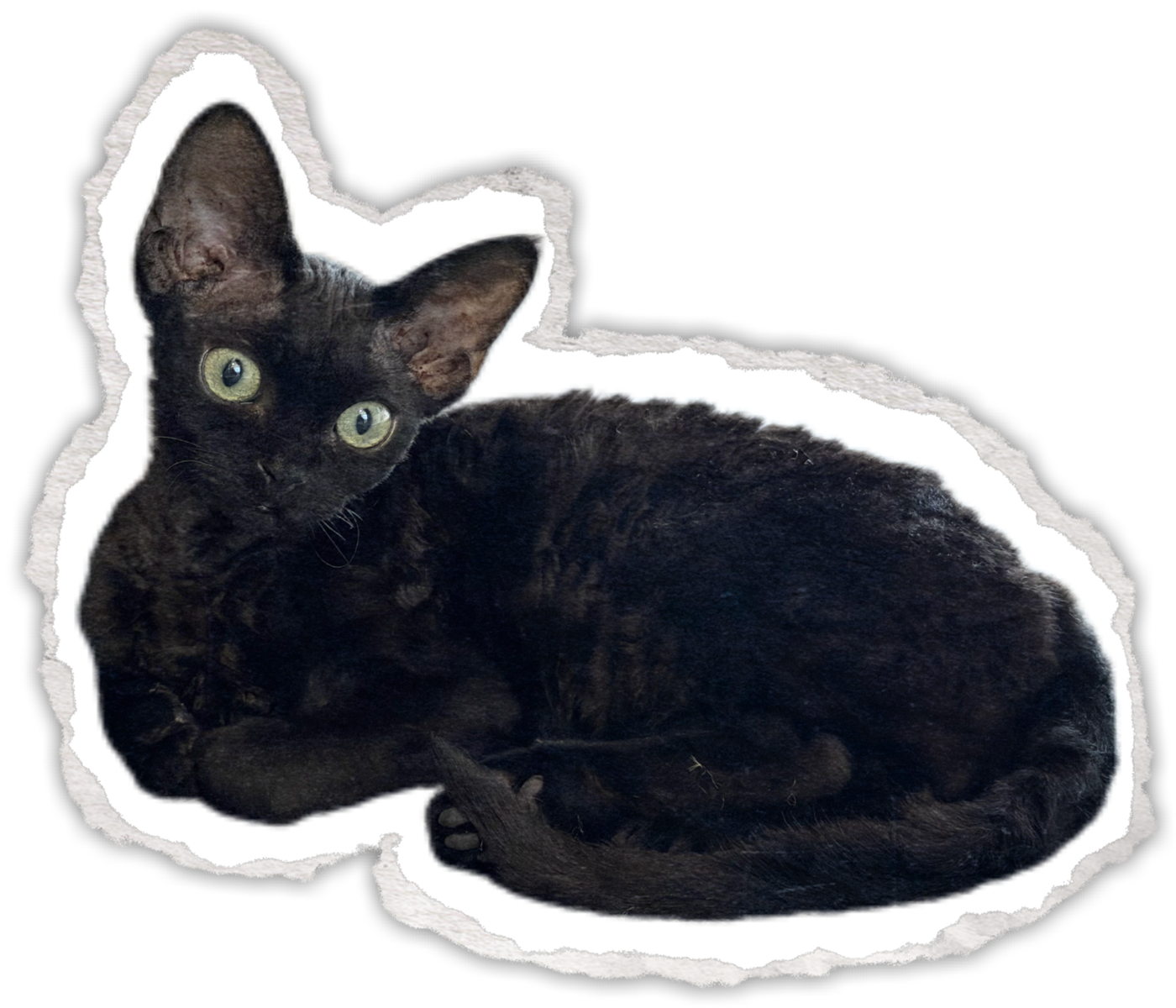
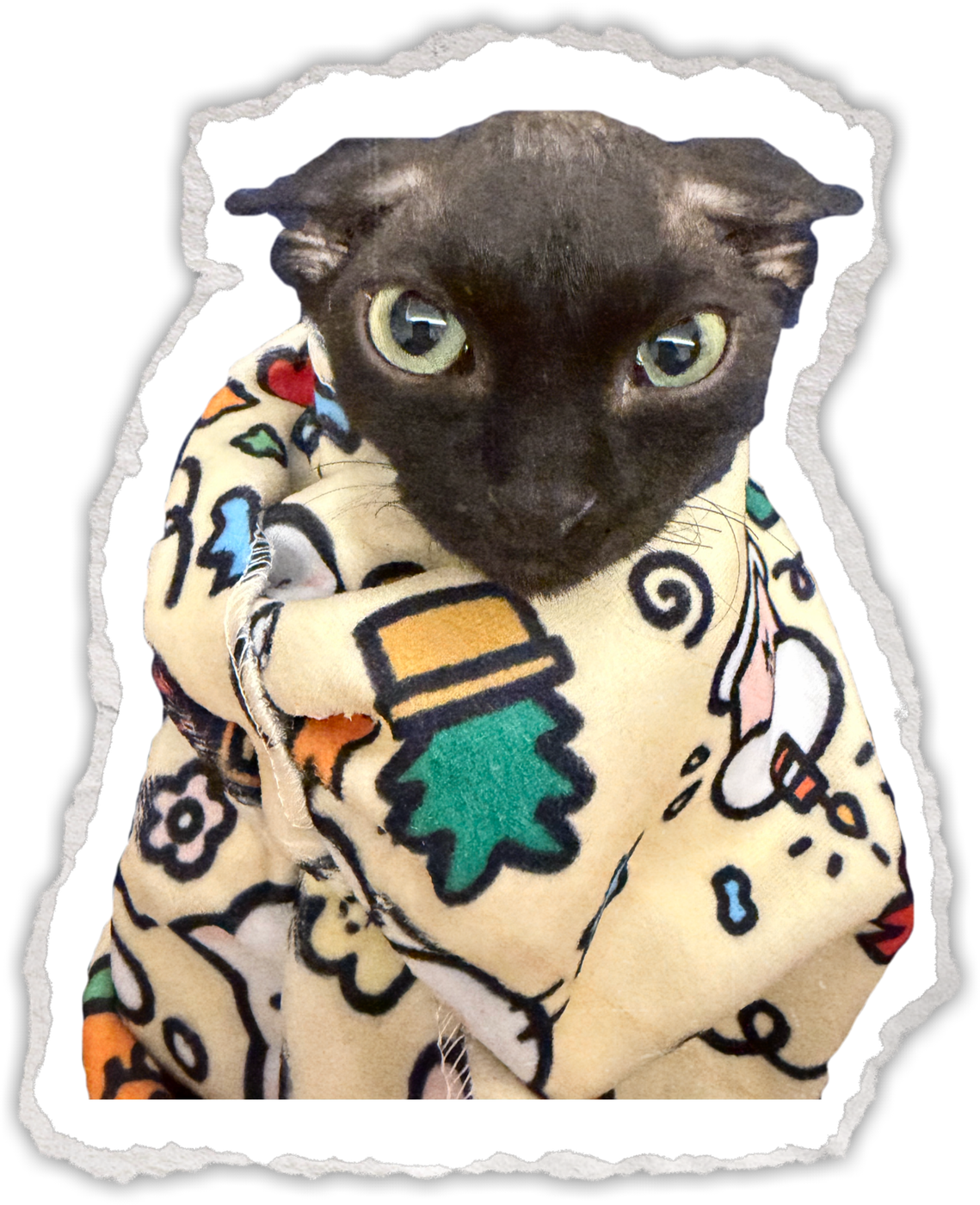
A beautiful cat looking at the camera
30% Lower heart attack risk
68% Of cat owners report reduced anxiety
25Hz Cat purr frequency β€” proven healing range
10K+ Studies on human–animal bond benefits

Health Benefits for Teens

Your teenage years are a critical window for physical and mental development. A cat can make a real difference.

🧠
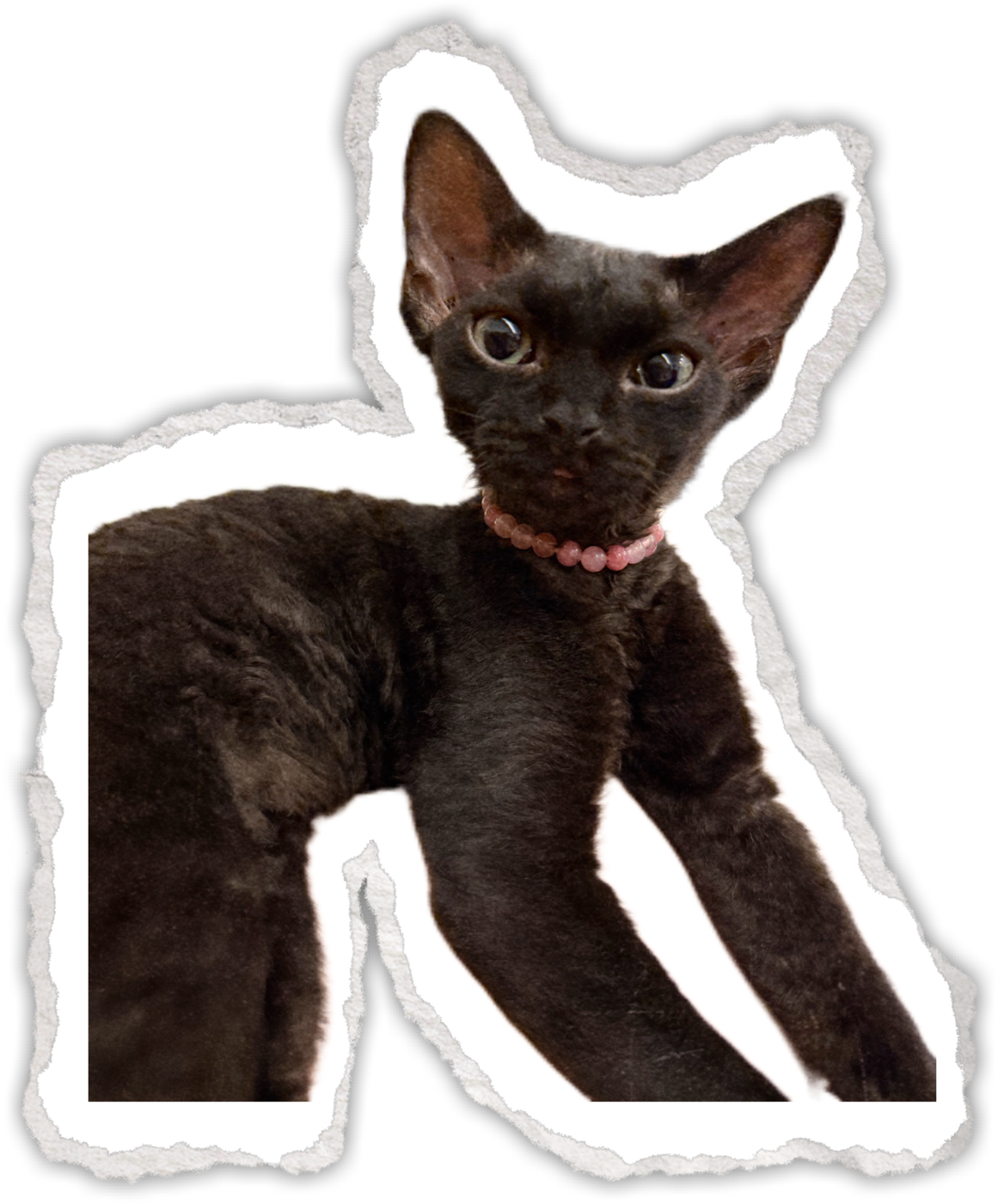
Relaxed cat

Reduces Stress & Anxiety

Teens today face enormous academic and social pressure. Studies show that spending just 10 minutes petting a cat significantly lowers cortisol (the stress hormone) while boosting serotonin and dopamine β€” the same chemicals targeted by antidepressants.

Mental Health
❀️
Orange tabby cat

Protects Heart Health

Research from the University of Minnesota found cat owners had a 30% lower risk of cardiovascular disease. Building healthy cardiovascular habits in your teens sets you up for life. A cat's calming presence naturally lowers blood pressure and resting heart rate.

Cardiovascular
😴
Sleeping cat

Improves Sleep Quality

Mayo Clinic studies suggest sleeping near a cat improves sleep quality for many people. A cat's rhythmic purring β€” vibrating between 25–50 Hz β€” acts as a natural white noise machine, helping your brain transition into deeper sleep cycles.

Sleep
πŸ›‘οΈ
Cat portraits

Boosts Immune System

Teens who grow up with cats have been shown to develop stronger immune responses. Early exposure to pet dander trains your immune system to be less reactive overall β€” meaning fewer allergies, not more. The "hygiene hypothesis" backs this up with decades of data.

Immunity
🀝
Siamese cat

Builds Emotional Intelligence

Caring for a cat teaches empathy, reading non-verbal cues, and emotional regulation β€” skills that directly translate to better relationships with people. Teens with pets consistently score higher on empathy scales and report feeling less lonely.

EQ & Social Skills
🎯
Cat in snow

Creates Routine & Responsibility

Feeding, grooming, and caring for a cat introduces healthy daily structure β€” something neuroscience links to improved focus, lower rates of depression, and better academic performance. Having a creature depend on you builds genuine self-worth.

Mental Resilience

The Science of the Purr

A cat's purr isn't just adorable β€” it's medically significant. Cats purr at frequencies between 25 and 150 Hz, a range that researchers have linked to:

Some veterinary scientists call it "therapeutic ultrasound from the inside." You don't need a prescription β€” just a cat.

Cat close-up

Common Myths β€” Busted

Myth

"Cats are too independent β€” they won't bond with you."

Fact

Cats form deep attachments to their owners. Studies using the same secure-attachment scale applied to dogs and infants confirm cats bond just as strongly β€” they're just more selective about showing it.

Myth

"Cats will make my allergies worse."

Fact

Early exposure to cat allergens during adolescence actually reduces allergy risk long-term by training the immune system. Many low-allergen breeds also exist, such as the Siberian and Balinese.

Myth

"I'm too busy as a teenager to own a cat."

Fact

Cats are one of the most low-maintenance pets you can own. They groom themselves, use a litter box independently, and don't need walks β€” making them ideal for teens with busy school schedules.

Ready to Find Your Companion?

Millions of cats in shelters are waiting for a home β€” and for the health benefits they'll bring you.

Find a Cat Near You Visit a Shelter